


Forget Me Not
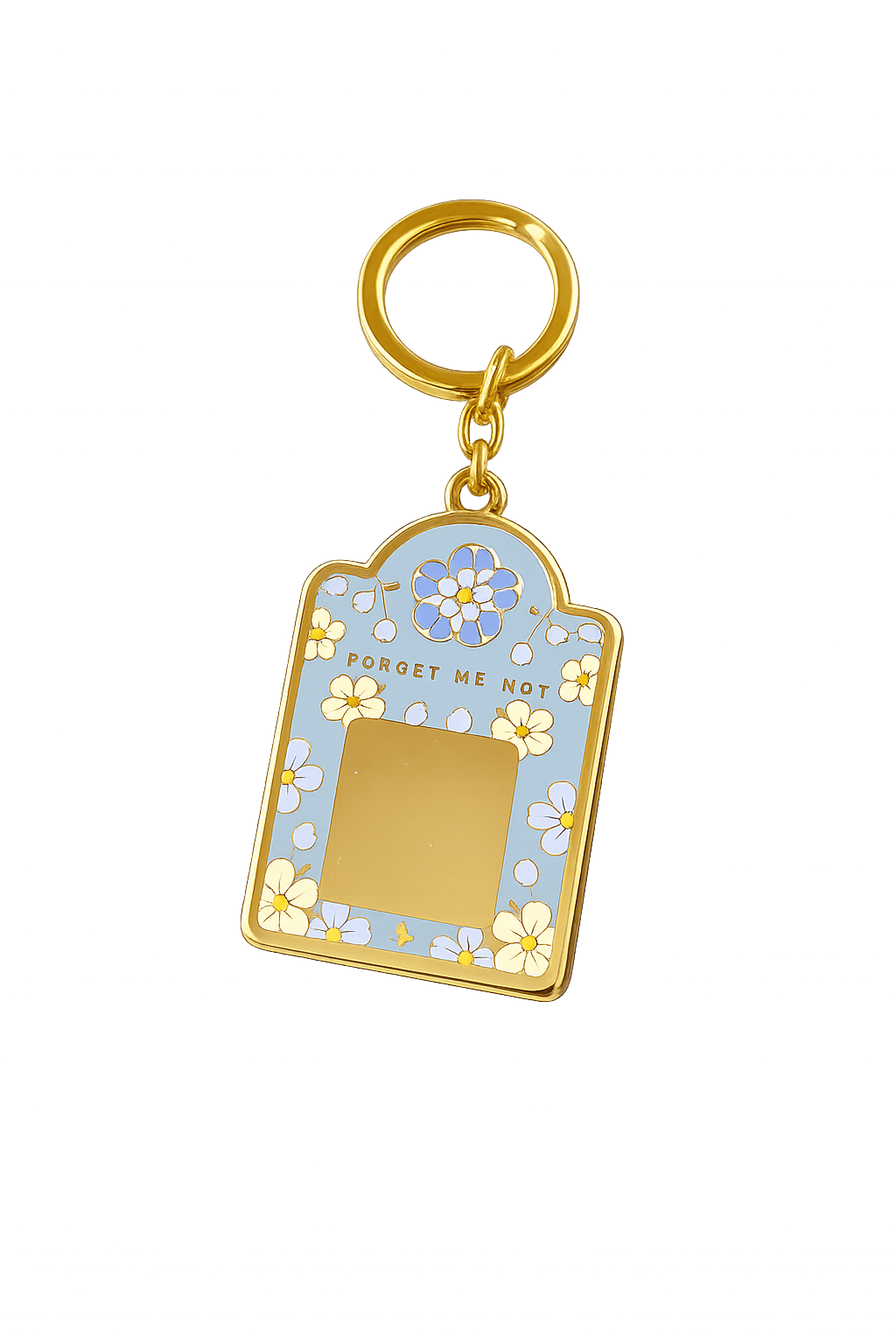
Forget Me Not is a premium digital memorial platform where families build lasting Memory Lanes for the people, pets, relationships, and events they never want to forget. Every Memory Lane pairs with a physical keepsake, a gold-finished QR tag or pin, so a whisper of the person's story is always one scan away.




Because some memories deserve a place beyond time
The Challenge
The existing Forget Me Not site was a templated WordPress build with placeholder copy, a weak shop, and no demonstration of the Memory Lane itself, which is the whole product. Grief-adjacent brands live or die on feeling, and the old site felt transactional. We needed to rebuild from scratch as a proper web app, with a premium editorial feel, a real builder, a shop that matches the gift box in your hand, and infrastructure that can carry Memory Lanes for years.
The Solution
We scoped the rebuild as a full Next.js and Supabase product with six shipping phases. A warm gold and cream brand system, botanical motifs, and Cormorant Garamond headings set the tone. The Memory Lane builder turns a dashboard into a gentle editor with tabs for photos, videos, timeline, and a blog. Each published lane gets a public page, a dynamic OG share image, and a scannable QR tag that can be ordered from the shop and linked to the lane during checkout.
At a glance
0
Tribute categories
0
Builder sections
0
Supabase tables scoped
0
Release phases
Colour Palette
Soft blues, hazy sage and warm gold. Cornflower carries the brand, gold centres the keepsake, sage keeps the quieter moments calm.
Cornflower
#5B8BBF
Primary
Petal Blue
#8FB3D9
Secondary
Hazy Sage
#B8CDD6
Accent / bg
Warm Gold
#C9A84C
Logo centre
Full palette flow
Behind the Build
The details we obsessed over while the product takes shape.

Memory Lane builder
A tabbed dashboard that turns a memorial into something you actually enjoy building. Upload photos, embed videos, add timeline events, and write longform blog entries inside a calm, serif-led editor. Nothing feels like admin, everything feels like a scrapbook you are keeping on behalf of someone you love.

Public Memory Lane pages
Every published lane lives at a shareable URL with a full-bleed cover, profile portrait, bio, timeline, gallery, and guest messages. Dynamic OG images make shared links look like a published tribute, not a preview card. Every scroll reveal was tuned to feel still, never flashy.
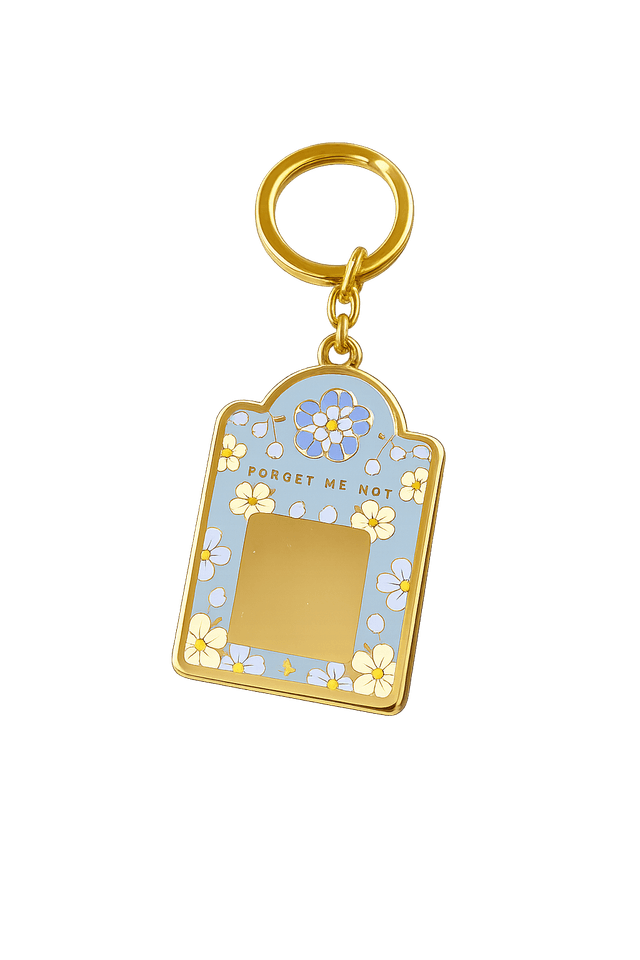
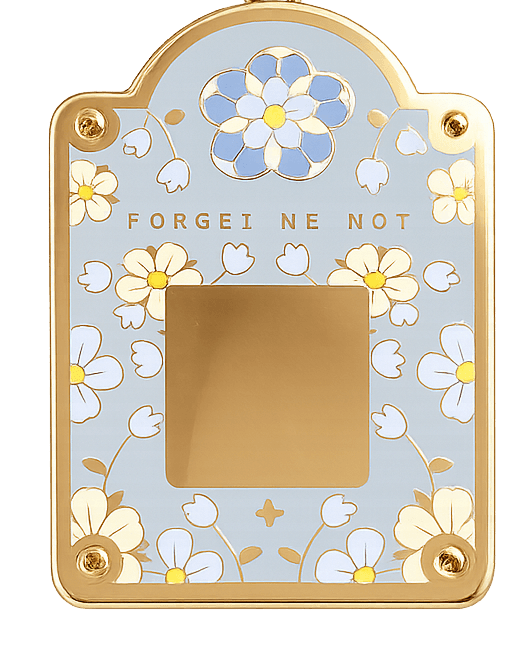
Scan a tag, open a Memory Lane.
Physical keepsakes, linked
The QR tag is the bridge. A tap of a phone on the keepsake opens the Memory Lane, so a tree, a bench, a frame at home, or a pin on a lapel can carry the full story behind it. During checkout the buyer can link the exact tag to the exact lane, so what arrives is already set up.
Packaging that matches the page
The unboxing is part of the product. The outer sleeve, inner tray, and printed insert were designed alongside the site so the gift in the room and the page on the screen share the same typography, paper tone, and botanical flourishes. It is the detail most memorial services leave flat.
Design Direction
We pulled the mood from keepsake jewellery, wedding stationery, and old family photo albums rather than from grief-platform competitors. Cormorant Garamond for headings, Inter for body, generous white space, and a palette of cream and gold with navy for weight. Botanical flourishes are used sparingly as punctuation, never as decoration for its own sake.
The Memory Lane is the product
Everything on the site points back to a real, living Memory Lane. The homepage links to a demo lane, the honour pages show real tribute layouts, and the builder is the first thing a signed-in user sees. Nothing is hidden behind a long funnel, because grieving families should not have to fight a product to use it.
Shop as a gift, not a cart
The shop is presented as a considered gift catalogue, QR tags, enamel pins, gold frames, and bundles, each photographed on a soft cream backdrop. A payment gateway handles ZAR payments end to end, and the order flow allows the buyer to link a keepsake to a specific Memory Lane at checkout, so the tag arrives already bound to the right story.
“We wanted Forget Me Not to feel like a keepsake you hold in your hand, not a software platform. This build finally gets close to that.”
Founding Team
Forget Me Not
Technical Stack
Chosen for a ten year lifespan, families should not have to migrate a tribute to keep it online.
Next.js 14 (App Router)
Framework
Tailwind CSS
Styling
Framer Motion
Animation
Supabase
Auth / DB / Storage
Payment gateway
Payments (ZAR)
Zustand
Cart state
Tiptap
Blog editor
Vercel
Hosting
How We Got Here
Discovery
Workshops with the founders on what the brand is actually selling, memory, not software. We mapped the four tribute types, the gift-giving moments, and what the physical keepsakes needed to feel like in the hand before we wrote a line of code.
Design
A full Figma system from first principles. Cormorant Garamond and Inter, a cream and gold palette, botanical flourishes, packaging design, and a Memory Lane prototype tested with early family volunteers before any of it hit development.
Build
Currently in active build. Next.js 14 App Router frontend, Supabase backend with eleven tables and row level security, payment gateway integration for ZAR, and the Memory Lane builder with direct-to-Storage uploads and dynamic OG images.
Launch
Soft launch planned with the founders' existing community first, then a broader reveal once the shop fulfilment loop, QR tag printing, and support channels are tested end to end.
COI Commodities
A professional trading platform connecting South African farmers with global commodity markets. Clean, trust-building design with service breakdowns, a step-by-step process flow, and integrated logistics information.
Next buildMendly
A gentle mental wellness app with a calming illustrated style. Track moods, set daily intentions, log gratitude, and access guided emotional and physical care categories, all wrapped in a cosy, nature-inspired UI.